Find out what is actually slowing you down. Then fix that.
Most operations do not have a software problem. They have three systems that disagree, a report somebody builds by hand, and a process that lives in one person’s head. We find which one is costing you, plan the fix, and stay until your team is running it.
Seven questions, answered in your browser. You see the result before we see anything.

The problems that actually cost you.
None of these are software problems on the surface. All of them end up being one underneath.
The same thing is entered twice
A job, an order or a customer is typed into a second system by hand, because the two systems have no link and somebody has become the integration.
Two systems, two answers
Operations and accounting disagree about the same month, so every decision starts with an argument about whose number is right.
The report is built by hand
It takes half a day, it is therefore monthly, and by the time it lands it describes something you can no longer change.
Stock is right until it is not
Transfers between locations and returns move stock without recording it, and the gap is found at stocktake rather than at the till.
Status lives in people
Somebody spends their week asking where things are, because finishing a step does not record itself anywhere.
The system nobody uses
You bought it, rolled it out, and the team quietly went back to the spreadsheet. That is an adoption problem, and buying a different system repeats it.
Five things, and we will tell you which you need.
Most engagements touch two of these. Almost none need all five, and we would rather say so at the start than discover it at the invoice.
Business Systems
One system that holds the operation, instead of five that disagree and a spreadsheet that settles it. We map how the work actually runs, decide what to replace and what to leave alone, and hold the scope through the build.
AI & Automation
Automate the repeated work. Use AI only where the input is genuinely unstructured and a rule cannot do the job. Where a model is right, it answers from your records and returns the record, so a claim can be checked.
Integrations & Data
The systems you run are usually fine. What is missing is the wiring between them and a decision about which one is right when they disagree. Cheapest lane, because nobody has to change how they work.
Implementation & Training
The half that decides whether any of it gets used. Rollout with a named internal owner, hands-on sessions on your own data, and written procedures your team keeps after we leave.
Websites & Hosting
A site your customers can use on a phone, built in weeks rather than months, at a price agreed before we start. Fixed fee, a real handover, and you own it outright on final payment. Hosting and upkeep afterwards if you want us to keep it.
Diagnose. Prioritise. Build. Train. Measure.
Five steps, in order, every time. You can stop after any of them and keep what you have; nothing here is designed to strand you halfway.
Find out how the work actually runs.
We sit with the people doing it, not only with the people describing it. The written process and the real process are rarely the same, and the gap between them is usually where the cost is. You get a written read on the operation whether or not you go further.
Led by 3 Point Forward.
Decide what is worth fixing, and in what order.
Not everything broken is worth repairing this year. We rank what we found by what it costs you and what it would take to change, and we name the things we think you should leave alone. The order matters more than the list.
Led by 3 Point Forward, agreed with you.
Implement the first thing, properly.
Configuration, an integration, a process change, or software built for you. Where it is software, the engineering is delivered in-house by SOPHIA XT, our engineering arm, against a specification we hold. Acceptance criteria are agreed before anyone starts, so finished is a test rather than an opinion.
Scope held by the consulting side. Built by the engineering side.
Hand it to the people who will run it.
Hands-on sessions on your own data, written procedures in your team’s language, and a named internal owner. Training runs alongside the build rather than after it, so the people who will live with the thing get to say what is wrong while it is still cheap to change.
Led by 3 Point Forward.
Check whether it did what we said.
We agree before go-live what we expect to change and how it will be observed, then we look. Sometimes the answer is that it moved less than we hoped, and you should hear that from us rather than work it out yourself a quarter later.
Led by 3 Point Forward.
In the room
We work beside your team.
No black box and no offshore hand-off. We sit with your people, review the numbers on the screen, and make the call together. When we leave, the capability stays in your building.
- Live working sessions, not status decks
- Your team trained as we build
- A plan they own and can extend

Wired in
Plugged into your stack.
We wire straight into your data and tools, so the AI works on your real numbers, not a demo, and every result is measurable.
- Runs on your own systems
- Tied to a revenue or cost number
- Honest attribution on every play

Published work
The research is public, failures included.
We publish our method and our experiment log rather than a summary of the good runs. The result worth naming is a 1.67× out-of-distribution generalisation advantage from anchor-token masking, with the mechanism causally tested. That is a measured research finding, not a promise about your business.
Routing intelligence over the shape of knowledge ›
- Method and experiment log published
- Tools already running for other companies
- We never compete for your clients
A prototype in an afternoon is real. It is not the same thing.
Because the tooling already exists, we can often put a working prototype in front of you inside a single session. That is genuinely useful and it is genuinely fast. It is also the cheapest part of the job, and we would rather you knew the difference before you signed anything.
Running costs are usually lower than a comparable vendor arrangement, because the work runs on your own accounts rather than on a per-seat licence. We will not put a figure on that here, because it depends entirely on what you build and how much you use it.
We will tell you when the answer is do nothing.
A consultancy paid to find work will always find work. We would rather lose a project than sell you one that does not pay for itself, because the engagement after this one is worth more than this one. That is self-interest, not virtue, and it is the more reliable of the two.
Director-level judgement on the operation, the implementation plan and the training, with the engineering in the same building when a build is what the plan needs.
In your building, with your people.
The value is not in the software. It is in your data and the daily work it runs, which is why the diagnosis happens on site and the training happens on your own records rather than on a demonstration workspace.
The capability stays after we leave.
An engagement that ends with a system nobody internally understands has failed, however good the system is. So the rollout has a named internal owner from the start, the procedures are written in your team’s language, and somebody in the building is taught to extend the thing rather than to raise a ticket about it.
Small, and in the room.
3 Point Forward is a small partnership based in Metro Detroit, working with operating companies across retail, field service, property and professional services. The people who do the diagnosis are the people who run the engagement; nothing is handed to a delivery team you have not met.
Engineering, when an engagement needs a build, is delivered by SOPHIA XT — our own engineering arm, not a subcontractor found for your project. Its work is open for you to inspect before you commit to anything, which is the point of the write-ups below.
You meet who you work with
The person who sat through your diagnosis is the person who holds the scope through the build and runs the training at the end.
We are not reselling software
No licence margin, no vendor relationship pulling the recommendation. If the right answer is the system you already own, that is what we will say.
We never compete for your clients
We build the tools your team uses. We do not take on work in your market, and that is a structural reason to have us in the room.
Systems you can open right now.
Each of these is a system somebody runs their operation on. Every write-up states what was delivered, what it connects to, what came off a verification run, and what has not been proved yet.
These were built by SOPHIA XT, our engineering arm. Each write-up names which side did what.
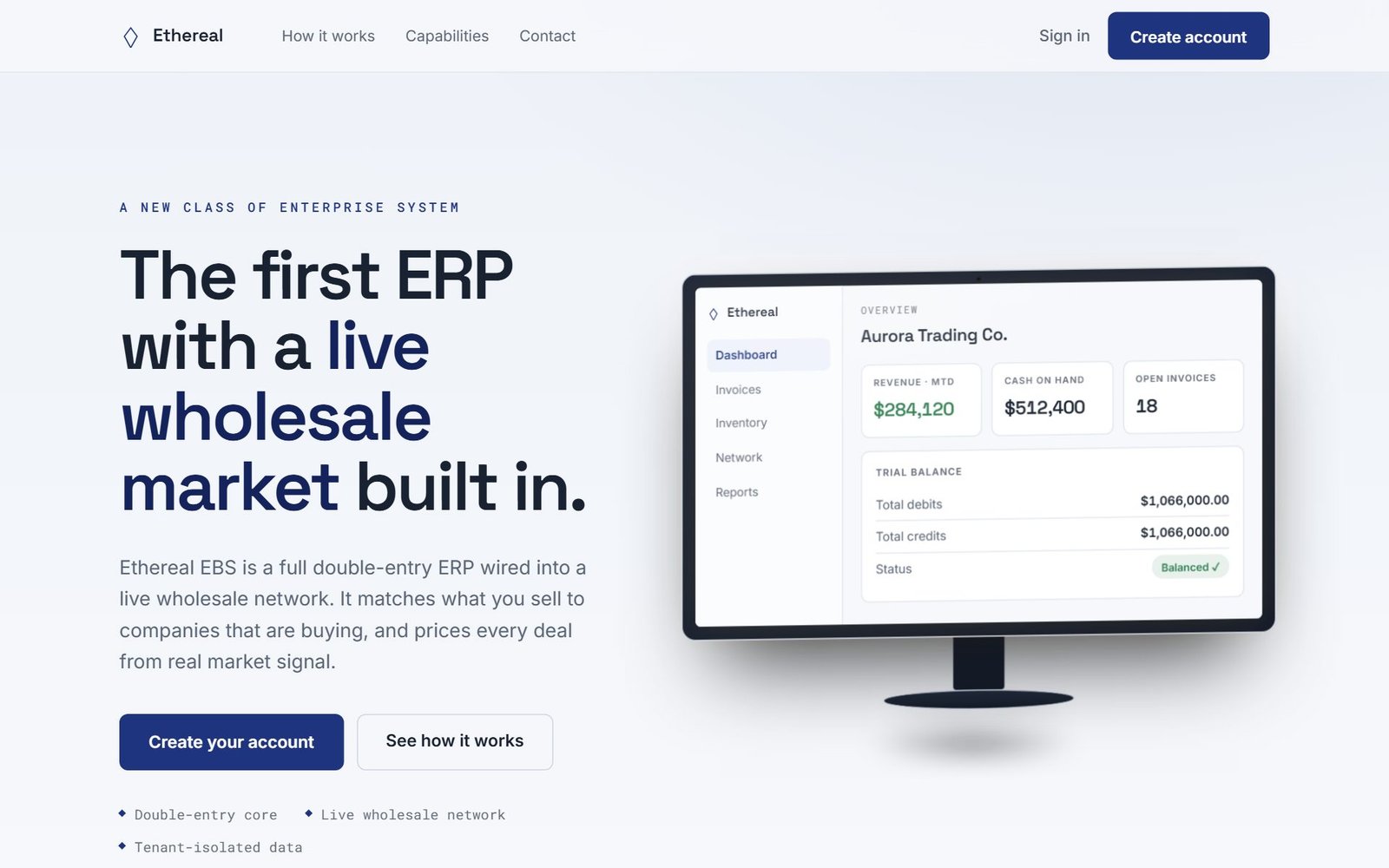
Ethereal EBS
A multi-tenant enterprise business suite with a real double-entry ledger underneath it and a cross-company wholesale market wired in.
Deployed. In beta with a populated demonstration workspace.What we built ›Tophat
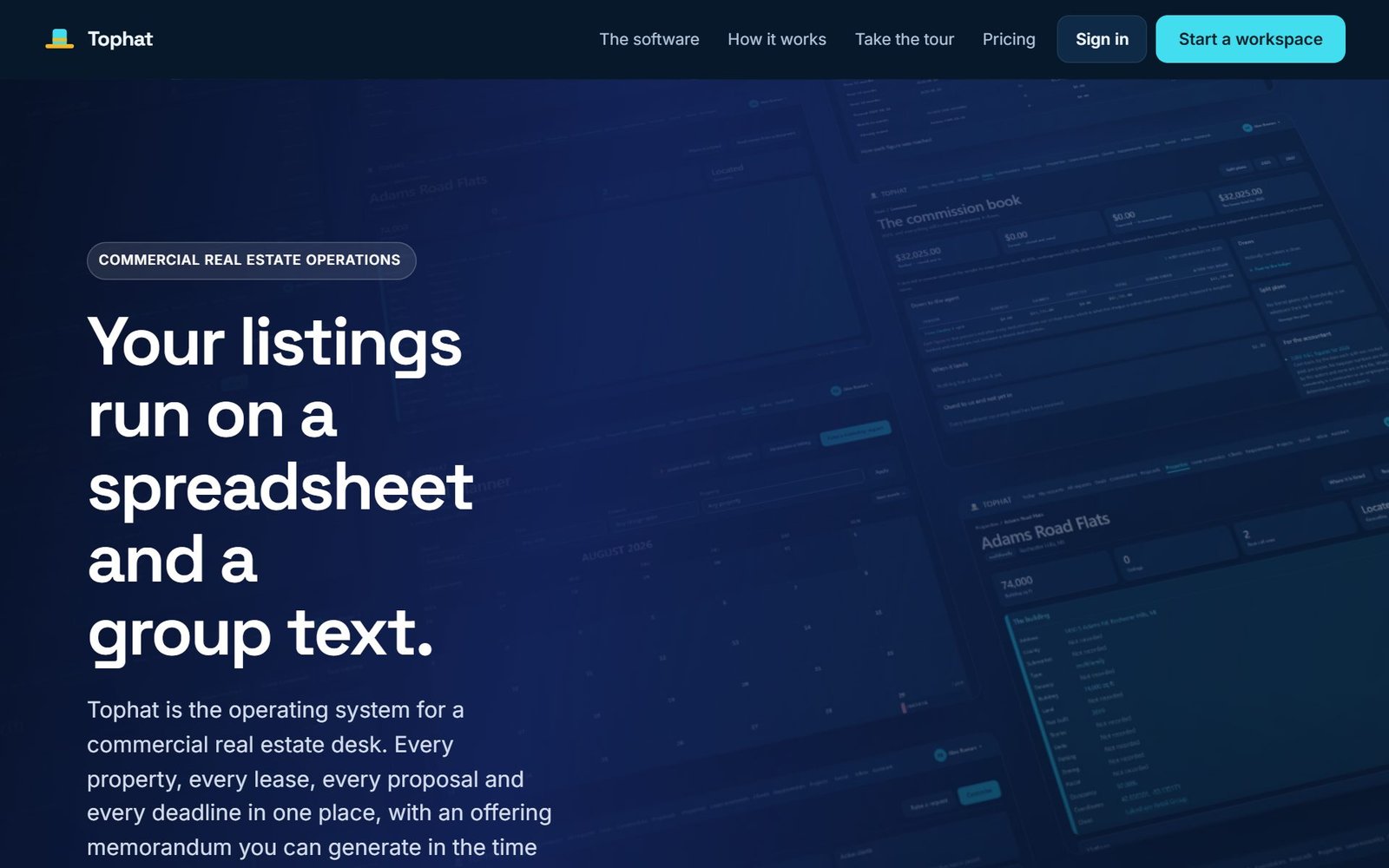
An enterprise business suite for a commercial real estate brokerage, with an assistant that answers from the brokerage's own rows and cites the record it read.
Live since August 2026. Runs on hardware the brokerage owns.What we built ›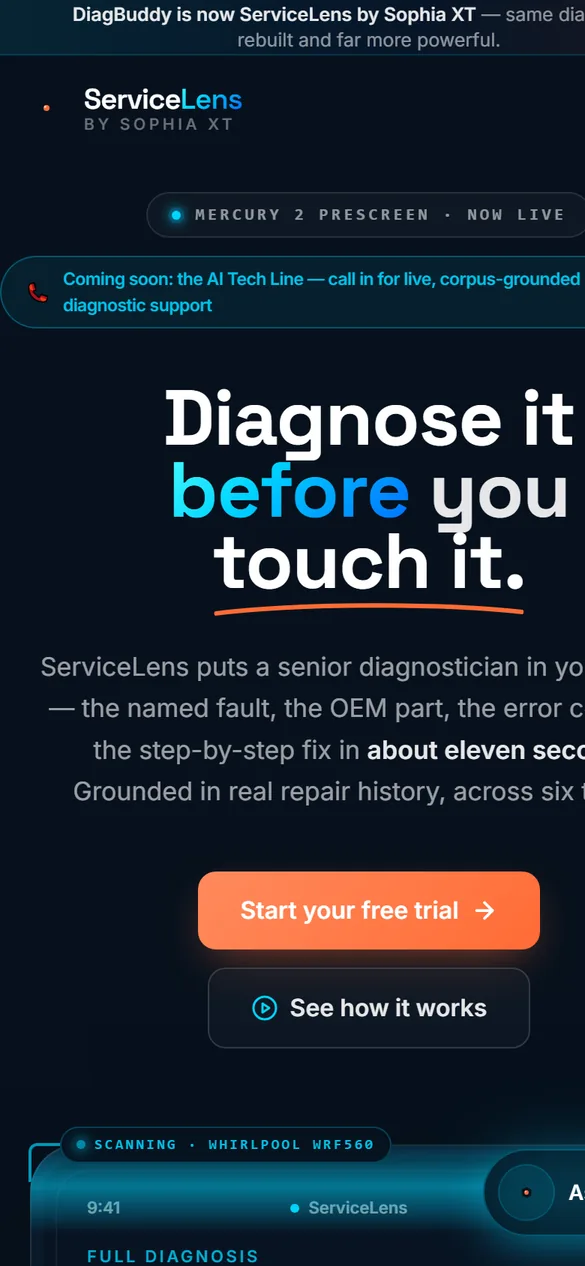
ServiceLens / DiagBuddyGO
A field-service platform where dispatch, diagnosis, parts and inventory are one workflow, and the diagnostic answers are grounded in the technician's own history.
Live production. Multi-company, with subscription billing running.What we built ›Shorter project overviews: Smoker's Alley · Fix Appliances Now · 3 Point Forward's own systems
Storefronts and service sites, in use.
Sites and storefronts rather than full operational systems.
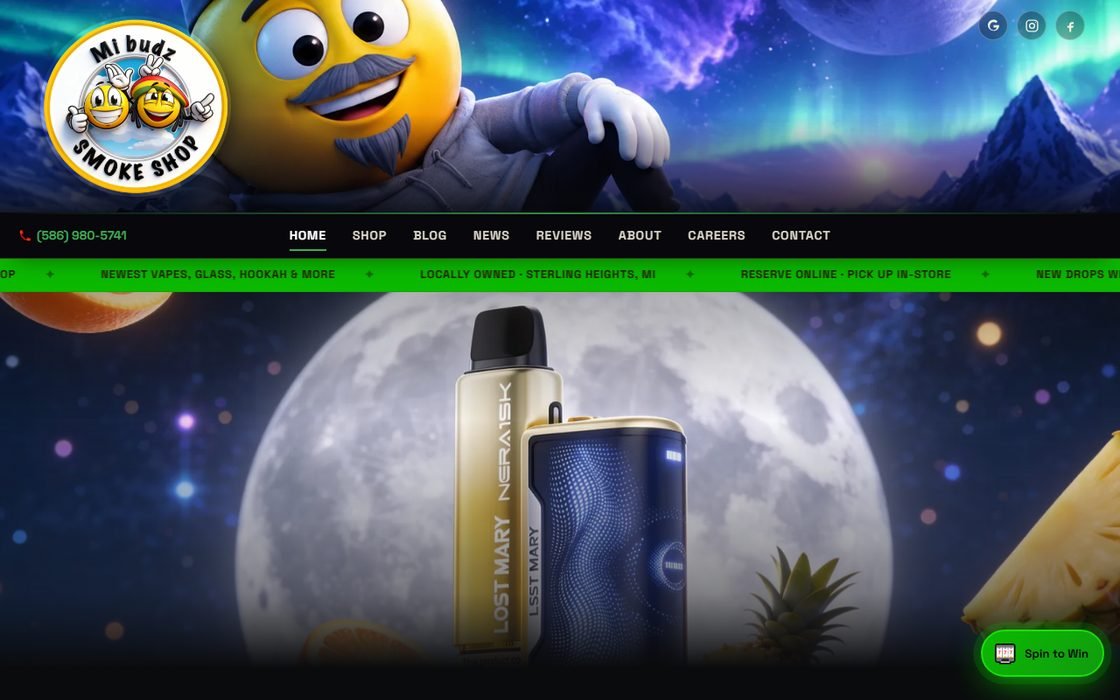
Mi Budz
Smoke shop · Sterling Heights, MI
mi-budz.com
Summer Skin
Laser & skin · Birmingham, MI
summerskinmi.com
Smoker’s Alley
Smoke & vape · 3 locations
smokersalleys.com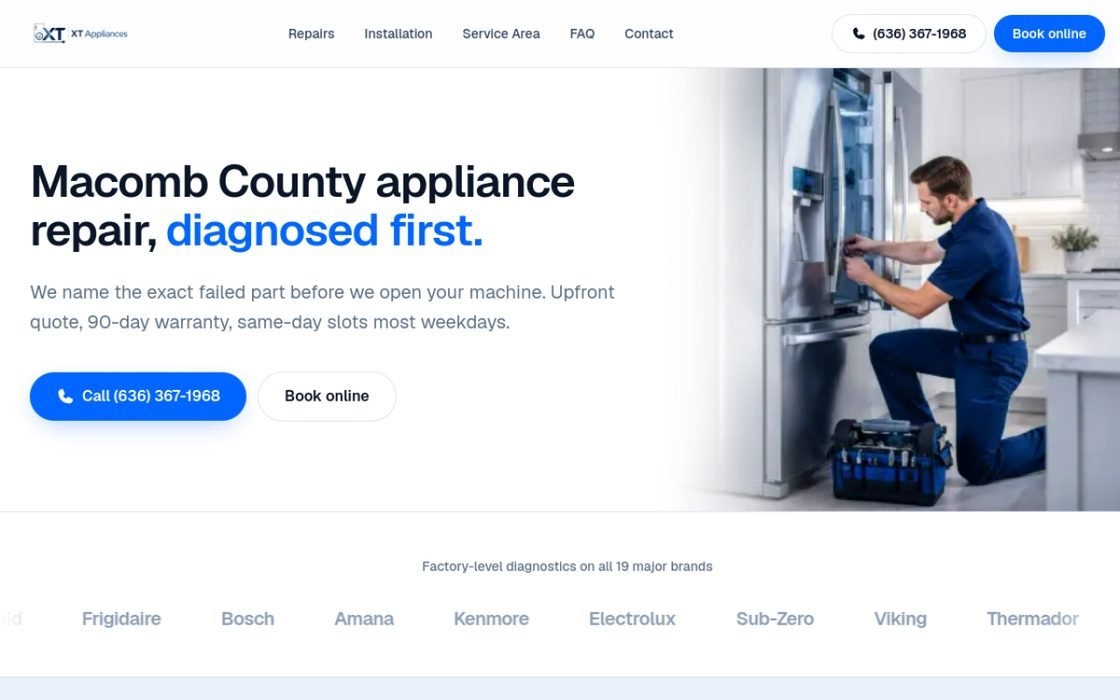
XT Appliances
Appliance repair · Macomb County
xtappliances.com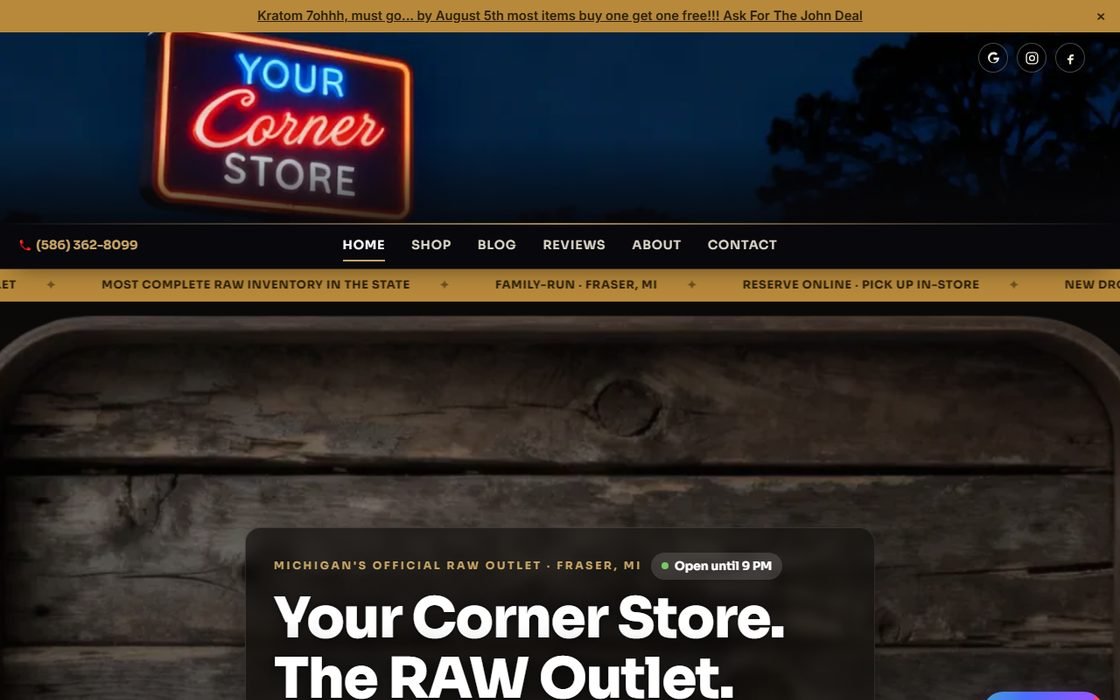
Your Corner Store
RAW outlet · Fraser, MI
yourcornerstoresmokeshop.com
The Appliance Guys
Appliance & HVAC · St. Louis, MO
fixappliancesnow.comWhat it costs, and what you actually get for it.
Every engagement is defined in a signed statement of work that names the scope, the deliverables, the timeline, the fees and what is explicitly out of scope. Nothing below is a contractual commitment; the statement of work is.
The Wedge
Where most engagements start. One real problem, taken from diagnosis to something in use.
- A written diagnosis of the operation as it actually runs, which is yours whatever happens next
- A prioritised plan, including what we think you should leave alone
- One thing implemented and in use by the end of the thirty days
- Training for the people who will run it, and written procedures they keep
- Acceptance criteria agreed before we start, so finished is a test
Websites
A separate, smaller lane. A site does not need a diagnosis engagement first, so it is not priced like one.
- Web design from $750, a site with a back office from $2,450, a custom business suite from $6,500
- Fixed fee against a written scope, so an overrun is ours rather than yours
- You own the site and the code outright on final payment
- Hosting, backups, monitoring and small edits from $79 a month, cancellable
- See the websites page ›
Ongoing retainer
For operations doing this continuously rather than once. What the retainer covers is named in the arrangement.
- A standing block of time, agreed monthly
- Continued diagnosis as the operation changes
- Prioritisation and scoping of the next pieces
- Training for new staff and after a change
Project work
A build with a defined shape. Quoted once the diagnosis has told us what it actually is.
- Built in-house by SOPHIA XT against a specification we hold
- Staged delivery, so you use part of it before all of it exists
- Reporting, decks and rebranding where an engagement needs them
SOPHIA XT is the engineering arm of 3 Point Forward.
SOPHIA XT is our engineering arm. The consulting side works out what the operation needs; the engineering side builds it. No hand-off to a vendor, and no one to blame when the two disagree.
3 Point Forward — the consulting side
3 Point Forward does the business work: diagnosing what is actually wrong with an operation, planning the implementation, applied-AI consulting, training the staff who will run it, and managing the engagement.
SOPHIA XT — the engineering arm
SOPHIA XT does the engineering: custom business software, integrations, AI engineering, developer tooling and the research underneath it.
One company, two jobs. 3 Point Forward defines the operational problem and the implementation plan; SOPHIA XT builds what the plan needs. A company that already knows what it wants built can go straight to SOPHIA XT, and a company that needs the problem defined first should start at 3 Point Forward. Either door reaches the same team.
Straight answers.
Including the ones that are less flattering than the alternative.
What does 3 Point Forward actually do?
What is SOPHIA XT?
How much does it cost?
What does the 30-day engagement actually deliver?
Can you really build something in a couple of hours?
Who owns what you build?
What does ongoing support cover?
How do we start?
Get in touch.
Start with the assessment if you want a read before you speak to anyone. Otherwise book a consultation, call the line, or ask the 3 Point Agent.
Where
Metro Detroit, MI
Remote and on-siteFind out what is costing you.
Seven questions, answered in your browser. You get a written read on the likely bottlenecks and what to look at first — before we see anything about you. If it looks like a fit, book a consultation from the result.